RECOVERY COACHING AND MENTORING FOR MEN

I know what it’s like
to want to stop.
And keep
going back.

For years I used drugs and alcohol to quieten my mind and change the way I felt. The relief never lasted, but the pain and suffering did. Today I help men understand what keeps pulling them into that cycle and take steps towards a different life.

Let’s have a conversation

Free 30-minute call. No pressure. No obligation.

Support with alcohol, cocaine, chemsex and compulsive sexual behaviour. A particular welcome for men who identify as straight and want to talk about sex with men or trans women alongside substance use.

Break cycles. Heal patterns. Thrive.

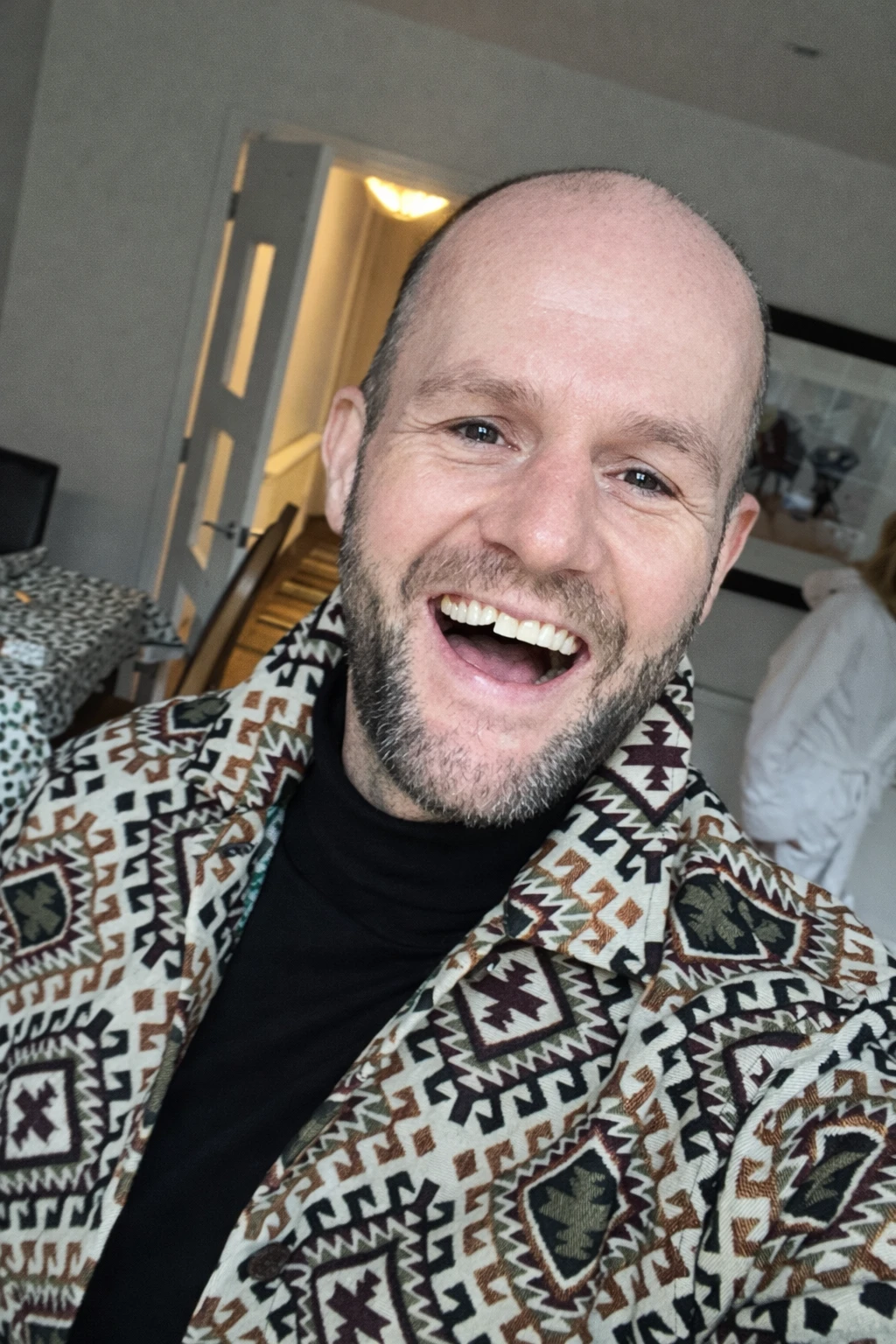
Daniel Matthews smiling, wearing a patterned jacket
Daniel MatthewsCOACH, MENTOR AND A MAN IN RECOVERY
23 years of lived experienceOne to one coachingSupport built around you

WHAT ARE YOU STRUGGLING WITH?

You can talk to me about it.

You might recognise yourself in more than one of these. We start with what is happening in your life and what you would like to change.

01 / ALCOHOL and/or SUBSTANCES

When drinking or using
becomes too much.

For a long time I believed I needed alcohol or drugs to feel confident, connect with people and enjoy myself. Even when drinking and using were hurting me, I struggled to question them. We look honestly at what alcohol or other substances give you, what they cost you and what you want your life to feel like.

Let’s talk about alcohol or substances
02 / CHEMSEX & SEXUALISED SUBSTANCE USE

When sex, porn, cams, alcohol and other substances feel inseparable.

Crystal meth, GHB/GBL, mephedrone, cocaine or alcohol may have become linked with sex, porn, cams or hookup apps. We can talk about long sessions, secrecy, the pull to return and building sober connection. You do not need to identify as LGBTQIA+ or use the word chemsex to reach out.

Explore chemsex support

Having sex with men or trans women when using, then struggling with shame afterwards? You can talk about it here, without judgement or pressure to define your sexuality.

Explore support

03 / COMPULSIVE SEXUAL BEHAVIOUR

When sex or porn
keeps pulling you back.

Maybe it starts with wanting to switch off, feel wanted or escape how you feel about yourself. Then comes the secrecy, the time lost and the promise that this is the last time. We look at what happens before you act out and what support you need to do something different.

Explore compulsive sexual behaviour support

MORE SPECIFIC SUPPORT

You do not need the perfect words.

Start with the substance, the behaviour or the feeling that brought you here. These pages explain how we can work together.

Your identity is yours to describe. Attraction to men or trans women is not something to fix. We focus on substance use, patterns causing harm and the changes you want to make. Gay, bisexual and questioning men are welcome too.

DANIEL MATTHEWS

I never dreamed
I would live,
never mind thrive.

The Sober Truth Coach

Real experience.
Real support.
Real change.

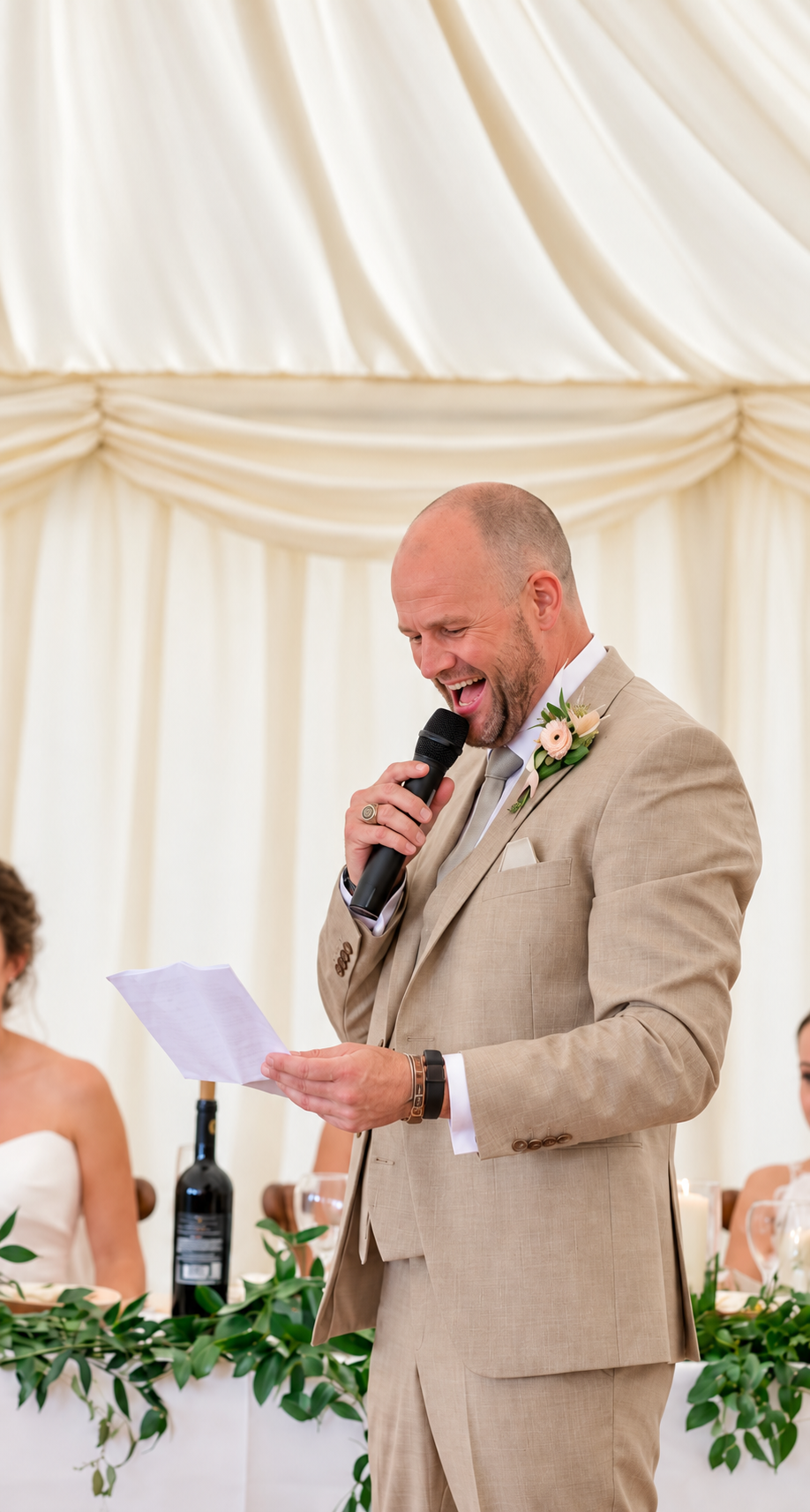
Daniel smiling while giving a speech at his sister’s wedding
Sober at my sister’s wedding, trusted to speak in place of our late father. Present for a moment I wouldn’t have wanted to miss.

From shame to grace.A life I no longer need to escape.

I was in addiction for 23 years. At first it was fun. Then came shame, regret and pain.

I was hurting the people I cared about most, then using more drugs and alcohol to deal with it. By 30, I had all the stuff society told me should make me happy. I had never been so depressed. My ex-wife asked me to stop. I couldn’t. I packed a bag and walked out on her and my daughter.

I spent the next six years in hospitals, institutions and rehabs over 50 times. I couldn’t get off the hamster wheel of self destruction. Then one day I became willing. Brought to my knees, I reached out to a coach and mentor. I shouldn’t be alive today. But I’m here.

Today I experience peace, love, joy and self worth. I’m close to my family and ex-wife. My daughter is back in my life. I now use that pain and suffering to help others out of hell and towards a life of connection and contentment.

I’m a qualified positive psychology coach and mentor with over 650 hours of coaching delivered. I’m also studying a Level 4 Diploma in Therapeutic Counselling and have over 120 hours of breathwork practice.

If you’re in the dark and can’t see a way out, reach out. Let’s have a call. You are not alone. We can walk side by side.

Daniel

I share openly, so you can too.

Get to know me and the men I help on Instagram.

WHAT I BRING TO THE WORK

Lived experience.
Training. Practice. Care.

650+Hours of coaching delivered
23 yearsLived experience of addiction, sexualised substance use, chemsex and intimacy avoidance

Qualified coach & mentor

Positive psychology coaching and mentoring

Trainee counsellor

Currently studying the CPCAB Level 4 Diploma in Therapeutic Counselling

120+ hours Breathwork practice

Training as a facilitator with InnerCamp

Trauma aware + ADHD coaching

Attention to your pace, choice and what feels manageable

WORKING TOGETHER

We look at what keeps
you stuck.
Then we work on it.

01

Understand what is happening

What are you feeling before you reach for the drink, the drugs or your phone? What are you telling yourself? We slow things down and look at the pattern together, including the parts you find difficult to talk about.

02

Take the next right action

We turn what you discover into practical next steps. As a mentor, I draw on my experience of addiction, recovery and supporting others to share what helped, what caused harm and what I wish I had understood sooner. Together, we use that learning to recognise pitfalls and find a way forward that fits your life.

03

Take the data, not the shame

We come back to what happened. What helped? What got in the way? What needs to change? You can take responsibility for your actions without turning every difficulty into more evidence against yourself.

SEVEN PARTS OF OUR WORK

We work with the person,
as well as the behaviour.

Whether it is alcohol, other substances, compulsive sexual behaviour, or a combination of all three, you may know the cost and still feel pulled back. We look at that pull, what is happening in your body, the stories you believe and the support around you. Then we practise doing things differently in your everyday life.

I bring together coaching, lived experience, positive psychology, practical recovery tools, counselling skills, and over 120 hours of breathwork practice. All of which have been vital in my own recovery journey, and now I choose to integrate them into my client spaces where welcome.

Explore what we can work on together.Tap or click a heading to read more.

01
Understand the Addict MindA part of your experience. Not the whole of who you are.

The Addict Mind is my name for the part of us whose thinking pulls us back towards something we know is hurting us. It can promise relief, make excuses and convince us that this time will be different. I am naming that pattern, not calling you an addict. This part can feel powerful, but it is still one part among many. Together, we learn to recognise its language, understand what it is seeking and create more room to choose our response.

We explore the link between thoughts, feelings and actions, drawing on CBT informed coaching tools. We identify limiting beliefs, use the Why Ladder to understand what matters beneath a goal, and practise new habits that give you real experience to test those old beliefs against.

The work is to notice a thought, check it against what you know and give yourself room to choose your next action.

02
Meet feelings and urges differentlyBuild an anchor you can return to when things feel too much.

When I was drinking or using, a difficult feeling could become something I had to escape immediately. We work on recognising feelings earlier and finding ways to stay with what is manageable.

This can include emotional regulation skills, grounding, gentle diaphragmatic breathing and DBT informed ideas for tolerating distress. We notice signs of stress or shutdown and build an anchor point, such as your breath, your surroundings, a value or a person you can contact.

You build a practical response for the moments when an urge or an emotion starts making the decisions for you.

03
Put support around your recoveryMake the next right action easier to take.

We map your Three Circles: the bottom lines you want to protect, the warning signs that come before them and the people and activities that keep you well. Together we build a safety and support plan around your particular risks.

Daily phone contact, journalling and clear goals help bring the work into your week. Accountability means returning to what you agreed to do, recognising progress and being honest about what got in the way. We work through setbacks without shame and agree the next step.

You leave with specific actions, clearer boundaries and a plan you can return to when your thinking changes.

04
Work with shame and the parts that pull against changeBe honest about what happened without attacking yourself.

There can be a part of you that wants recovery and another that wants relief through drinking, using or acting out. Parts work, informed by ideas from Internal Family Systems, gives us a way to explore that conflict with curiosity.

We look at defences such as control, avoidance and people pleasing, including what they may have been protecting. Shame around alcohol, drugs or compulsive sexual behaviour can be spoken about at your pace. My “Take the Data, Not the Shame” reflection helps us learn from what happened and identify what needs to change.

We make room for understanding while staying honest about the impact of your behaviour.

05
Build healthier intimacy and connectionPractise being yourself with other people.

Alcohol, drugs or feeling desired can seem like routes to connection. Being known sober can feel frightening. We explore what happens when closeness brings up fear, shame or the need to perform.

The work can include speaking honestly, communicating needs, respecting consent, setting boundaries and building new connections. We look at how you want to show up as a partner, husband, son, father or friend, and what that asks of you in practice.

You begin making room for relationships where you can be present, speak your truth and respect the other person’s.

06
Build a life you actually wantDiscover your strengths and give recovery somewhere to grow.

Positive psychology is central to my coaching. We identify your strengths, clarify your core values and set goals that mean something to you. We explore what flourishing and thriving would actually look like in your life.

The PERMA model helps us look at five areas of wellbeing:

Positive emotion
Making room for gratitude, enjoyment and hope.
Engagement
Finding activities that absorb and interest you.
Relationships
Building connection and mutual care.
Meaning
Living in line with what matters to you.
Accomplishment
Taking steps and recognising your progress.

Your goals become everyday choices, new habits and experiences that help you discover what you are capable of.

07
Explore breath, presence and spiritual practiceMake space to connect with yourself beyond the noise of thought.

Spirituality, nonduality and self enquiry are important parts of my own recovery. For me, self realisation includes exploring who I am beyond the thoughts, roles and stories I have taken to be the whole of me.

If this matters to you too, we can explore spiritual wisdom, stillness, meditation, prayer or your own understanding of meaning. You do not need to share my beliefs. This part of the work is guided by yours.

Breathwork is also part of my experience and ongoing development. Gentle diaphragmatic breathing can be explored within coaching. Conscious connected breathwork is part of my current facilitator training with InnerCamp. We discuss suitability and the scope of any breathwork before taking part.

The invitation is to explore what helps you feel present, connected and able to live by your values.

WHAT A SESSION CAN LOOK LIKE

You bring what is happening.
We work out what to do next.

Perhaps you have had an urge after an argument. We start by listening to what happened and what you felt. We notice the story your mind built around it, check it against your values and bottom lines, and agree what support or action would help. Next time, we look at what you learned.

This is a purposeful conversation, with room for silence, honest reflection and supportive accountability. My Level 4 counselling training informs how I listen and work with you. The service offered here is coaching and mentoring; references to CBT, DBT and parts work describe influences and tools, rather than separate therapy services.

Build a life you want to be present for.

We begin with what is happening now and what you want to feel different. More peace in yourself. More honesty in your relationships. More confidence in the choices you make.

Together, we explore the patterns that keep pulling you back, reconnect with your strengths and values, and turn what you discover into practical steps towards the life you want.

Between sessions, you receive 30 minutes of daily phone contact across one or two calls, alongside worksheets tailored to your programme. These give us a way to stay connected, reflect on difficult moments and practise new ways of responding in everyday life.

WHAT DO I MEAN BY FREEDOM?

Being able to live
without escaping myself.

For years, I looked outside myself for something that would make me feel enough. More success, more pleasure, more approval. In recovery I began to question that. I could make a mistake and learn. I could ask for help. I could feel something difficult and talk about it. That is the kind of freedom I want to help you work towards.

THE SOBER TRUTH APP

Recovery happens
between conversations too.

In development

I’m building The Sober Truth to help you bring this work into your day. Somewhere to remember why you started, notice what is happening and come back to the actions that help you stay well.

The app is currently in development to give clients another way to engage with their programme between sessions. Its tools bring together the reflection and practical work I use in recovery and coaching.

YOUR RECOVERY

Remember why you started.

Keep your reasons for staying sober in view, follow your sober days and milestones, and return to the activities and connections in your Outer Circle.

WHEN AN URGE COMES

Pause and notice.

Work through guided questions, record how strong an urge feels and come back to see how it changes. Keep your warning signs and recovery supports close.

THREE CIRCLES

Know your boundaries.

Map your bottom lines, the warning signs that lead towards them and the things that support your recovery. Make the pattern easier to recognise.

YOUR DAILY ACTIONS

Make today manageable.

Build a checklist around your recovery. Make room for connection, reflection and the things that matter to you, then look back at what you have done.

REFLECTION

Take the data, not the shame.

Look at what happened without attacking yourself. Use the guided reflection, journal and gratitude tools to put your experience into words.

AT THE END OF THE DAY

Reflect and prepare.

Use your evening inventory to look back on today, then make a plan for tomorrow. Keep learning from your experience, one day at a time.

YOUR RECOVERY PORTAL

A place to come back to.

Browser access is being prepared. Once available, you will be able to open the app here and sign in to your account.

Ask Daniel about app access

Planned for your phone too.

App Store and Google Play downloads are planned. They are not available yet.

CLIENT EXPERIENCES

In their own words.

Five different clients, sharing their experiences anonymously and with permission.

“To share my shame and have it acknowledged, accepted, and related to was deeply healing.”

Anonymous client

“He listened and guided me through thought-provoking questions that led me to finding the answers.”

Anonymous client

“The books, resources, and perspectives he shared gave me valuable new insights and confidence to keep moving forward.”

Anonymous client

“He showed me potential within myself that I always had, but could never quite reach alone.”

Anonymous client

“I was inspired by his story and held that inspiration as tightly as I could.”

Anonymous client

You might want to know…

Do you offer support with chemsex?

Yes. I work with men who want support with chemsex and other patterns of sexualised substance use. We explore how substances, sex, porn or cams have become linked, what keeps pulling you back, and practical steps towards recovery, connection and sober intimacy. You don’t need to identify with the word ‘chemsex’ to reach out. This is coaching and mentoring; if you need medical or specialist support, we discuss that too.

Can I get support if I identify as straight?

Yes. I particularly welcome men who identify as straight and want help with sexualised substance use, including encounters with men or trans women. You do not need to adopt a different identity to talk about what is happening. Read about support for men who identify as straight.

What if I don’t know where to start?

Start with what has been happening. You don’t need the right words or a complete plan. We can work out together what you need and whether coaching with me feels right.

What happens on the free clarity call?

We have 30 minutes to get to know each other, talk about what you want to change and see whether we are a good fit. Ask questions and share as much as feels manageable. No pressure. No obligation.

What support do I receive between sessions?

Your programme includes 30 minutes of daily phone contact, split across one or two calls, plus worksheets tailored to your programme. These help you build self awareness, explore the patterns beneath your behaviour and put what you learn into practice. An app is also in development and is not yet available.

Do you work with clients outside the UK?

Yes. I’m based in London and work online with men around the world. These struggles cross borders. We can discuss time zones, practical arrangements and whether my support fits your needs.

Is this counselling or therapy?

The service I offer here is coaching and mentoring. I am studying therapeutic counselling, but these programmes are not therapy. I will be clear if another kind of support would be more appropriate.

Do I need to be sober for a session?

Yes. You need to attend sessions sober. You do not need a perfect recovery history to reach out. If attending sober is difficult, we can discuss what support you need before arranging a session.

Will I have to share everything?

No. We work at a manageable pace. You can speak honestly about the patterns and their impact without giving graphic sexual detail.

Is what I share confidential?

I treat what you share confidentially, with limits explained before we begin. These include serious safety concerns, safeguarding, legal requirements and agreed professional supervision. We discuss how your information is handled.

What happens after the clarity call?

If we both feel coaching is suitable, we agree the focus, programme, cost and support included. You receive a written agreement before committing. You can take time to decide.

IF THERE IS A PART OF YOU THAT WANTS CHANGE

However small that part is,
let’s talk.

A free 30-minute call to get to know each other, talk about what you want to change and see whether we are a good fit. No pressure. No obligation.

London based. Working with men worldwide.

Arrange a free clarity call